| Wednesday, 22 April 2026 |
| Beds & Herts Area Day of Special Interest
‘Three Stars of the Dutch Golden Age: Rembrandt, Vermeer and Steen’
|
| Jane Choy-Thurlow |
 |
Beds & Herts Area are holding a Day of Special Interest on Wednesday 22nd April 2026 10.00 am for 10.15 am start until approx 3.15 pm at the Abbey Theatre, Holywell Hill, St Albans Entitled - ‘Three Stars of the Dutch Golden Age: Rembrandt, Vermeer and Steen’ Click here for booking form or go to Documents secction of the website Please complete the application form or send the information requeted on the form to Gill Gowing - email gmgowing@btopenworld |
| Friday, 07 November 2025 |
| Family Affair: Florence and the Medicis |
| Jo Walton |
 |
This year's Special Interest Day will be on the 7th November and will be "A Family Affair: Florence and the Medici" with Jo Walton. Jo Walton is a freelance curator, lecturer and writer. From 2006-2016 she was Head of Adult Learning at the Victoria & Albert Museum, and before that Head of Learning and Access at the National Portrait Gallery, and Head of Public Programmes at Tate Britain. Cost is £35 including lunch. For further details click here and for the Booking Form click here or go to the documents section of the website. (Updated 11th June 2025) |
| Friday, 01 November 2024 |
| TASR Day of Special Interest - Food for Thought (Spanish, Dutch & Modern Still Life Painting) |
| Daniel Evans |
 |
10.00 am for 10.30 am start until approx 3.00 pm at Sarratt Village Hall, The Green, Sarratt, Hertfordshire, WD3 6AS Refreshments and lunch included. Price £37.50 Booking closes 21st October 2024 NON MEMBERS WECOME SPANISH, DUTCH & MODERN STILL LIFE PAINTING Cabbages, Carrots and Lamb. Spanish Still Life from 1600-1812 Robert Hughes declared of Still life painting; ‘Still Life is to eating what the nude is to sex’, (we won’t go there I assure you!), although he did admit that Spanish Still Life painting is ‘more sacramental than gastronomic’. The lecture will cover a cabbage that has been painted with such astonishing accuracy that the painted version is more alluring than the vegetable itself. Featuring paintings by Velazquez, Zurburán, Meléndez & Goya, we shall explore several stunning key themes that can all be discerned from arrangements of simple food stuffs; religious fervour and symbolism, the absence of presence and that importance generates waste. Caterpillars, Lemons and Lobsters. Dutch Still Life from 1560-1650 When it comes to Dutch Flower paintings the only real expert in the field (often literally) is the insect that lives off the stems and petals. As Harry Berger puts it “the caterpillar is connoisseur”. From Meat Stalls to Mince Pies, and Bubbles to Bread Rolls, this lecture will help you to discover the enormous symbolism that is conveyed by simple everyday objects, that have been rendered with breath taking accuracy and convey really satisfying moral meaning. Examining works by Claesz, Steenwyck, de Heem, Bosschaert, van Aelst and Kalf; we shall explore the corruption of abundance, the mutability and ephemerality of life and the inevitability of death. Animal Fur, Telephones and Apple Cores. Still Life as Real Life in the 20th & 21st Centuries The ‘lesser’ genre of Still Life painting was one of the vehicles that launched Modern Art in the 19th century, and the obsession continued into the subsequent century by Picasso, Dali and Oppenheim. Painting was replaced by the Object, often playing upon the established and traditional themes of old. Mortality, mutability and abundance can all be traced through the ground breaking ‘still life’ sculptures of Oldenburg, Taylor Wood and Hirst. Like the Still Life genre, in all its permeations, this talk will be an exuberant assault on the senses of taste, sight, sound, touch and smell. For booking form click here or go to "Our Society - Documents" |
| Friday, 03 November 2023 |
| TASR Day of Special Interest
The Artist as Reporter including Paul Nash, John Singer Sargent and Stanley Spencer |
| Jo Walton |
 |
The artist as reporter Special Interest Day, including Paul Nash, John Singer Sargent and Stanley Spencer, Sarratt Village Hall, 10:00am for 10:30 start until approx 3:00pm With the assassination of the Archduke Franz Ferdinand in Sarajevo in 1914, the nations of Europe were set on a collision course. Newly mechanised armies, with undreamed of power to maim and destroy, transformed the world’s notions about war. This lecture looks at the work of a group of young British War Artists and considers the ways in which they recorded this new and terrifying form of war in a body of work still remarkable for its ability to move and shock. In this study day we will look at the background to their emergence as dynamic artists fascinated by the cutting-edge ideas of European artists such as Picasso, Brancusi and Mondrian. We’ll see how, in the staid British art world of the 1930s, their use of new materials and techniques injected a truly modern dimension into both painting and sculpture, complimenting that of modernist architects and designers. We’ll see how they coped with the challenges of making art during times of war and in the rebuilding and regeneration that followed. Jo Walton has combined teaching and lecturing with a career in art bookselling and has been a volunteer guide at both Tate Britain and Tate Modern. Now a freelance lecturer for The Arts Society, the Art Fund, and Friends of Dulwich Picture Gallery and local art societies. Cost £35 per person It will be at the Sarratt Village Hall and includes tea, coffee and biscuits on arrival and a two course lunch. Booking closed on the 27th October 2023 |
| Wednesday, 05 April 2023 |
| Moor Park Day of Special Interest - Art as Rehabilitation, Remembrance and Reform |
| Angela Findlay |
 |
3 lectures on Art as Rehabilitation, Remembrance and Reform to be held at Moor Park Mansion. Cost £40 to include tea/coffee and buffet lunch From 10.30am (start of 1st lecture) until about 3.30pm See booking form HERE for more details and booking form or go to Our Society / Documents page. |
| Friday, 24 February 2023 |
| Beds & Herts Area
Day of Special Interest
‘New York, New York: a time-travel virtual tour’
at The Abbey Theatre, St Albans
|
| Mary Alexander |
 |
Beds & Herts Area Day of Special Interest ‘New York, New York: a time-travel virtual tour’ with Mary Alexander on Friday 24th February 2023 10.00 am for 10.30 am start until approx 3.15 pm at The Abbey Theatre, Westminster Lodge, Holywell Hill, St Albans. AL1 22DL A personal ‘virtual’ tour in which we unashamedly cherry-pick the artistic highlights and icons of New York. We will consider the influence of ‘new money’ on art patronage and track the move of fashionable society from Washington Square, so beloved by Henry James and Edith Wharton, in the relentless move uptown. Digital photography will be used to full effect with visual collages and exquisite details to re-create the atmosphere of the brownstones and high society clubs of Gramercy Park, the Rockefeller Center and Radio City Music Hall, the grand hotels and nightclubs, the 21 Club and the Speakeasy, the building of the great art collections including the Metropolitan Museum and the Guggenheim. Whether you know and love New York or maybe have never visited, join me and have fun discovering more about the personalities of the artists, designers, patrons and social climbers who shaped this extraordinary and ever-changing city. The aim will be to create the sense of ‘being there’ and to capture the vibrancy and energy of the city. Venue: The Abbey Theatre is half a mile south of St Albans city centre, at the foot of Holywell Hill. Follow the A5183 (from either direction) and look out for the brown traffic signs. The Theatre is behind the leisure centre. Parking there is plenty of parking but it is ‘pay and display’. A day ticket currently costs £5.40. Blue Badge Parking: plenty of spaces can be found close to the Theatre. APPLICATION FORM Beds & Herts Area Day of Special Interest ‘New York, New York: a time-travel virtual tour’ with Mary Alexander on Friday 24th February 2023 Name(s) …………………………………………………………............ Telephone Number ......……………………………………………………………….. Email …….……………………………………………………………….. Society …………………………………………………………………….. Emergency contact number for day of event .…………………………………………………. Places are £42 pp to include refreshments on arrival and 2 course lunch. Please advise any dietary requirements Please pay by either: Online banking to:
The Arts Society - Beds and Herts Area, Account No. 20787825, Sort code 20 74 81, adding Reference DSI23 plus your surname and then email your application form to Gill Gowing at gmgowing@btopenworld.com or by cheque payable to “The Arts Society - Beds and Herts Area” and post with your application form to Gill Gowing at 94 Moor Lane, Rickmansworth, Hertfordshire. WD3 1LQ Any queries, please contact: Gill Gowing on gmgowing@btopenworld.com or 01923 777715 or 07882761471 |
| Friday, 04 November 2022 |
| TASR DAY OF SPECIAL INTEREST
The Royal Art Collection of Queen Elizabeth II |
| Linda Collins |
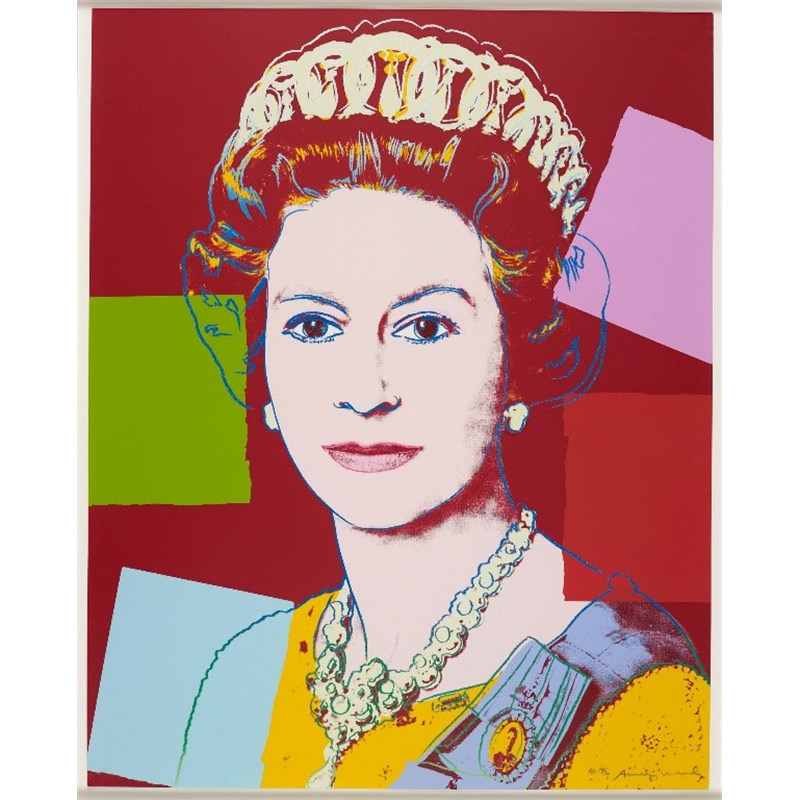 |
TASR Day of Special Interest The Royal Art Collection with Linda Collins on Friday 4th November 2022 10.00 am for 10.30 am start until approx 3.00 pm at Sarratt Village Hall, The Green, Sarratt, Hertfordshire WD3 6AS Refreshments and lunch included. Price £35. NON MEMBERS WECOME Three lectures planned: Session 1: The Founding of the Collection: Henry VIII: King & Collector Session 2: Charles I & Charles II: From True Connoisseur to a very Merry Monarch. Session 3: The Georgians, the Victorians & the Windsors: Changing Tastes: From Canaletto to Pop Art. Linda Collins is a lecturer for the Historic Royal Palaces & the National Trust, a freelance lecturer for Tate Modern & the National Gallery, London, an independent lecture organiser, a member of the Association of Art Historians and President of The Arts Society Harpenden Area. Her books, written together with Siobhan Clarke, include: The Tudors: The Crown, The Dynasty, the Golden Age; King & Collector: Henry VIII and the Art of Kingship and Gloriana: The Art of Elizabeth I (release date to be confirmed). Lecture I The 1st lecture is an introduction to the Royal Collection and a light-hearted look at some of the gifts that have become part of the collection during the present Queen’s lengthy reign. The founding of the collection began during the reign of Henry VIII, principally because of his rivalry with the French king, Francois I, who owned a magnificent art collection. The arrival of Holbein changed Henry’s image forever and during his 2nd visit the Steelyard Merchants commissioned the portraits of 1532/3 that remain some of his best work. Holbein went on to paint the portrait of Henry VIII in the Whitehall Mural of 1536 that has become the portrait we all have in our head when his name is mentioned. The Abraham Tapestries are possibly the most valuable set of tapestries in the world and are today hanging at Hampton Court Palace where they were designed to be displayed. The process of designing and weaving this set deserves explanation and so we will consider the process from the beginning to their arrival at the Royal Wardrobe. This lecture finishes with the death of Henry VIII and the last portrait of him in old age by Cornelis Metsys. Lecture 2. In common with Henry VIII, Charles I did not expect to become king. When his art loving brother died unexpectedly, Charles spent a lifetime emulating his artistic achievements. It was Charles I who appointed the first Keeper of the Paintings, a Dutchman called Abraham Van der Doort who completed its first catalogue. The catalogue in his own hand exists today and his Dutch accent is easily discernible in his phonetical spelling. In 1620, Charles I tempted Van Dyck to London and in 1632 he was appointed King’s Painter. He painted some of the most enduring images of Charles I, including many on horseback. Rubens arrived in London to paint the ceiling of the Banqueting House, the lone survivor of Henry VIIIs Palace of Whitehall - but what Charles truly desired was to tempt Italian artists to London. He succeeded with Orazio Gentileschi, who completed the ceiling of the Queen’s House at Greenwich, possibly with the help of his daughter, the artist Artemisia. We consider too, her self- portrait and why it could not have been painted by a man. Finally, perhaps one of the most valuable items in the collection – the Leoni Binding. It contained more than 550 sketches and drawings by Leonardo da Vinci. Named after Pompeo Leoni who assembled the loose sheets, it was brought to England in 1620 by Thomas Howard, 2nd Earl Arundel and probably later acquired by Charles II. Lecture 3. Henry VIII founded the Royal Collection and during the early reign of Charles I it was at its height – it could compete with any collection in Europe. The Civil War saw it decimated, but it slowly recovered under the rule of Charles II. In this lecture, the collection from George III to Elizabeth II is considered, including works in mixed media, photography, watercolours, and printing. The lecture finishes with a controversial portrait of her majesty by Lucien Freud and a perhaps surprising picture by Andy Warhol. And so, the Royal Collection that began with Henry VIII continues today under the guardianship of Queen Elizabeth II. APPLICATION FORM The Royal Art Collection Name(s) …………………………………………………………............ Telephone Number …………………………………………………………… Email …….……………………………………………………………… Society ………………………………………………………………………… Emergency contact number for day of event ……………………………………………………………. Places are £35pp to include refreshments on arrival and a 2-course lunch. Please advise any dietary requirements Please pay by either: Online banking (preferred) to: TASR Account No. 00060307, Sort code 40 52 40, adding Reference ‘Royal’ plus your surname and then email your application form to Diane Hynd at hynddi@gmail.com or post it to Diane at 6 Ridgeway, Rickmansworth, Herts WD3 7NS. or Cheque: Made out in black ink payable to “TASR” and post with your application form to our Treasurer, Jeff Baker ‘Hedgerow’, Dimmocks Lane, Sarratt , Herts WD3 6AR It would be helpful if you could email or ring Diane to let her know you are paying this way. Please do not send cheques to her. Any queries, please contact Diane Hynd at Hynddi@gmail.com or 01923 711545 |
| Friday, 10 June 2022 |
| AREA DAY OF SPECIAL INTEREST Dream Days, The Golden Age of Book Illustration |
| Dr Margaret Knight |
 |
Greater London Area Day of Special Interest Dream Days, The Golden Age of Book Illustration with Dr Margaret Knight on Friday 10th June 2022 10.30 am for 10.45 am start. The day will end around 15.15 pm at Society of Antiquaries, Burlington House, Piccadilly, London W1J 0BE Cost £35 (There are no facilities for coffee) The years between 1860 and the First World War are counted as a golden age for book illustration. The first books for children were being published and advances in printing made full colour illustrations possible. By 1870 the market was so competitive that the big publishing houses across Europe and America were employing the very best talent. Dream Days looks at works by familiar names like Walter Crane, Kate Greenaway and Arthur Rackham and at the extra ordinary illustrations produced in Scandinavia, Russia, and America. The market collapsed in the interwar years but as you will discover the artists of the golden age exerted long lasting and sometimes unexpected influences. Booking Form I would like to book ……… place(s) for Dream Days. I enclose a cheque for……. and a SAE Name ……………………….…………………… Address…………………………………………................................................................................ ………………………………………………………………………………………………….................. Tel No …………………… Email address .............................................................................. Society ……………………………………………………… Payment Details Please make cheques payable to Greater London NADFAS. Send along with a SAE and the booking form to Jenny Mulholland, 16 Landford Close, Rickmansworth, Herts. WD3 1NG. Tel. No 07747840914
BACS: Sort code: 40 52 40, Account No 00060749, Account Name; NADFAS Greater London Area, Reference; Dream Days JM. (please email me if you have booked and paid by BACS) |
| Friday, 29 April 2022 |
| AREA DAY OF SPECIAL INTEREST The Extraordinary Life and Times of Gian Lorenzo Bernini |
| Dr Margaret Knight |
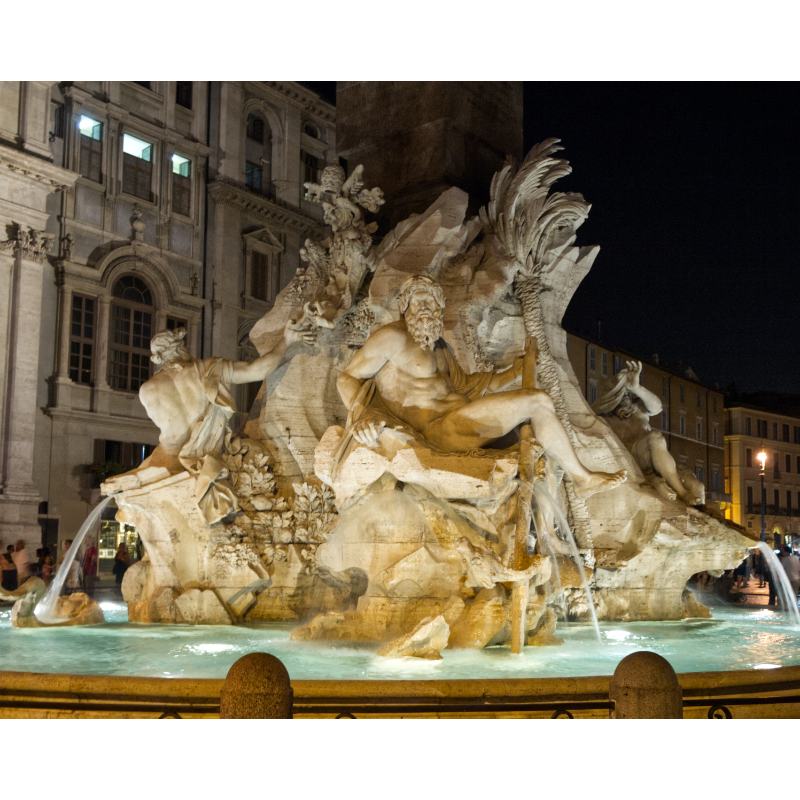 |
Greater London Area Day of Special Interest The Extraordinary Life and Times of Gian Lorenzo Bernini with Dr Margaret Knight on Friday 29th April 2022 10.30 am for 10.45 am start. The day will end around 15.15 pm at Society of Antiquaries, Burlington House, Piccadilly, London W1J 0BE Cost £35 (There are no facilities for coffee) When Bernini’s father came to Rome in 1606 his eight year old son was already recognized as a precocious talent and when Gian Lorenzo was 21 when three important sculptural works were commissioned by the powerful Cardinal Scipione Borghesi, then he began to work for Pope Urban VIII who told him ’You are made for Rome and Rome For You’. With the exception of a miserable secondment to the court of Louis XIV Bernini remained in Rome for the next 58 years, transforming the art of sculpture. ‘The Extraordinary life of Gian Lorenzo Bernini’ looks at Bernini’s work in the context 17th century Rome, the scholarship, the intrigues and intense rivalries. Booking Form I would like to book ……… place(s) for Bernini. I enclose a cheque for……. and a SAE Name ……………………….…………………… Address…………………………………………................................................................................ ………………………………………………………………………………………………….................. Tel No …………………… Email address .............................................................................. Society ……………………………………………………… Payment Details Please make cheques payable to Greater London NADFAS. Send along with a SAE and the booking form to Jenny Mulholland, 16 Landford Close, Rickmansworth, Herts. WD3 1NG. Tel. No 07747840914. Or pay by BACS; Sort code: 40 52 40, Account No 00060749, Account Name; NADFAS Greater London Area, Reference; Bernini JM. (please email me if you have booked and paid by BACS) |
| Friday, 04 March 2022 |
| AREA DAY OF SPECIAL INTEREST
Why Paris? The City of Light 1900 -1945
|
| Mary Alexander |
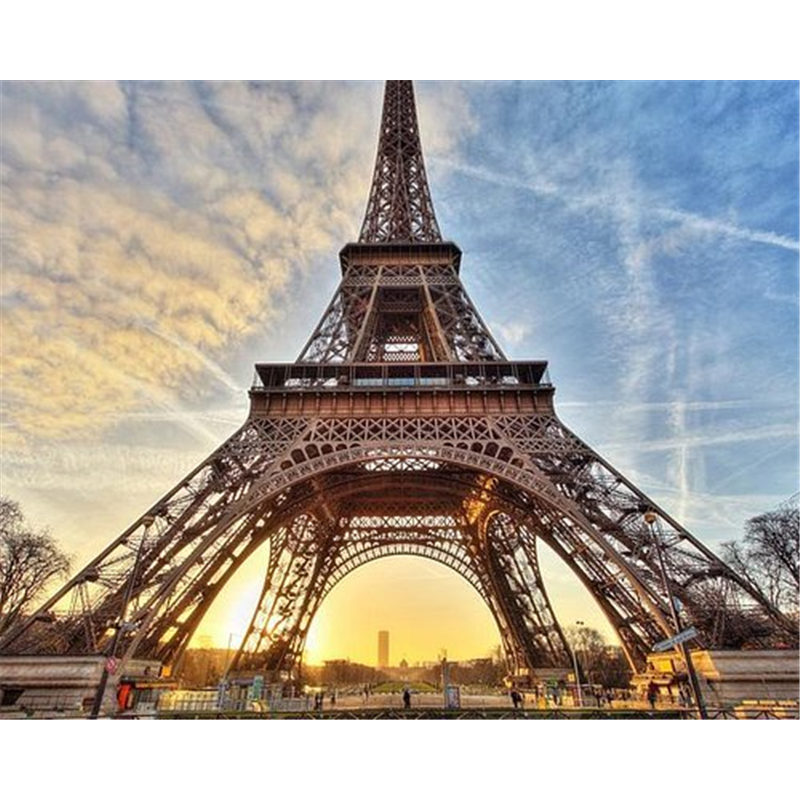 |
Beds & Herts Area Day of Special Interest ‘Why Paris? the allure of the city of light 1900 - 1945’ with Mary Alexander on Friday 4th March 2022 10.00 am for 10.30 am start until approx 3.15 pm at The Abbey Theatre, Westminster Lodge, Holywell Hill, St Albans. AL1 22DL Refreshments and lunch included price £40 pp A stimulating and enjoyable Special Interest Day exploring how and why the city of Paris has acted as both a magnet and cauldron of talent for aspiring artists and designers. Discover more about the key events and personalities shaping the 'City of Light' during the first half of the twentieth century. Looking beyond the mainstream, we will identify the creative individuals, including newly emerging female talents, who shaped the Parisian concept of 'modernity' in art, design, interiors, fashion, and photography. Whether strolling along Haussmann's new boulevards, ascending the magnificent staircase of Garnier's Opéra House, calling into an artist's studio, cafe, nightclub, or couture fitting, we will recreate the sense of 'being there'. Literary descriptions by Zola, Stein, Cocteau, Hemingway, and Fitzgerald will accompany the sumptuous visual details photographed especially for this purpose. Comparisons between the international Paris exhibitions of 1900, 1925 and 1937 will shed light on changing social/cultural issues, rapid technological change, and the key role of couture and fashion in French identity, especially during the German Occupation, and immediately after the Liberation. This new Special Interest Day 'Why Paris?' has evolved by popular request from many societies who have enjoyed my 'New York New York’ SID. A similar inclusive and exploratory approach is used with location maps, using both contemporary and old photographs of the city, various art and design media, to share many of the questions which have fascinated me over the years. Whether you know the city well or not at all, there will be new and exciting discoveries for everyone. Session One: La Belle Époque - city of pleasure and reinvention 1890s - 1914 Session Two: Partying into the Future 1920s and 30s Session Three: Paris Exposition 1937, Occupation and Defiance Venue: The Abbey Theatre is half a mile south of St Albans city centre, at the foot of Holywell Hill. Follow the A5183 (from either direction) and look out for the brown traffic signs. The Theatre is behind the leisure centre. Parking there is plenty of parking but it is ‘pay and display’. A day ticket currently costs £5.40. Blue Badge Parking: plenty of spaces can be found close to the Theatre. APPLICATION FORM Name(s) …………………………………………………………............ Telephone Number ……………………………………………………………….. Email …….……………………………………………………………….. Society ………………………………………………………………………….. Emergency contact number for day of event ……………………………………………………………. Places are £40 pp to include refreshments on arrival and 2 course lunch. Please advise any dietary requirements Parking: there is plenty of parking but it is ‘pay and display’. A day ticket currently costs £5.40. Blue Badge Parking: plenty of spaces can be found close to the Theatre Please pay by either: Online banking to:
The Arts Society - Beds and Herts Area, Account No. 20787825, Sort code 20 74 81, adding Reference DSI22 plus your surname and then email your application form to Gill Gowing at gmgowing@btopenworld.com or by cheque payable to “The Arts Society - Beds and Herts Area” and post with your application form to Gill Gowing at 94 Moor Lane, Rickmansworth, Hertfordshire. WD3 1LQ The Abbey Theatre is half a mile south of St Albans city centre, at the foot of Holywell Hill. Follow the A5183 (from either direction) and look out for the brown traffic signs. The Theatre is behind the leisure centre. Any queries, please contact: Gill Gowing on gmgowing@btopenworld.com or 01923 777715 or 07882761471 |
| Friday, 19 November 2021 |
| The Art Deco Style |
| Anne Anderson |
 |
The Arts Society Rickmansworth Day of Special Interest The Art Deco Style with Anne Anderson on Friday 19th November 2021 10.00 am for 10.30 am start until approx 3.15 pm at Sarratt Village Hall, The Green, Sarratt, Hertfordshire WD3 6AS Refreshments and lunch included.
This Day of Special Interest traces the development of Art Deco and the impact of
Modernism in the 1920s and 1930s, through dress, architecture, interiors, furniture,
glass, ceramics, metalwork, and jewellery.
The term Art Deco was not coined, to describe the ‘de luxe’ style of the inter-war
years (c.1919-1939), until the 1960s. At the time it was dubbed the Moderne style
or Jazz style. Art Deco was shortened from the Exposition Arts Decoratifs held in
Paris in 1925, where French designers emerged as leaders in the field of haute
couture and interior design. The luxurious glass of Rene Lalique, the furniture of
Emile-Jacques Ruhlmann, the jewellery of Cartier and lacquer of Jean Dunand
appealed to the beau monde or ‘beautiful people’. However, Le Corbusier, one of
the pioneers of Modernism, also made his mark at the 1925 exposition. In terms of
popular culture, austere Modernism dominated the next decade, following the Wall
Street Crash and the Great Depression.
Art Deco was expressed in architecture, painting and sculpture but its reputation now
rests on ‘populuxe’ decorative arts, such as Lalique’s perfume bottles, and figurines by
Ferdinand Preiss and Demétre Chiparus. Around1907, the perfumer Coty asked Lalique
to design labels for his scent bottles, but Lalique went one better and designed the first
customised perfume bottle. After the war Lalique extended production into decorative
vases, tableware, lamps, and even architectural glass. His car mascots epitomise Art
Deco styling. Characterised by bold colours and geometric shapes Clarice Cliff’s Bizarre
range, introduced in 1928, also exemplifies the Art Deco style.
Modernism promised a revolutionary design ethos for a brave new world, being
linked to socialism, even communism, at the Bauhaus. Buildings and interiors,
domestic commodities used daily, needed to reflect the demands of modern life
rather than hark back to historical forms; functional and utilitarian imperatives
ousted decoration, now seen to be superfluous. Indeed, some even viewed
decoration as a form of corruption; the New Objectivity demanded rational,
functional, sometimes standardized building. Driven by socialist ideologies, design
gained a political imperative; it was a means to reform living standards and
transform the lives of the working class.
American designers, like Donald Deskey and Walter Dorwin Teague, were also
driven by an industrial imperative developing streamlining. Sleek bullet shapes
dominated everything from trains to pencil sharpeners. Motifs that expressed
speed encapsulated an age in which change appeared to be escalating rapidly. The
skyscraper, dominating the New York skyline, exemplifies American modernity.
The Art Deco style is considered by many people to be one of the most lively chapters in the history of art. Covering a 30-year period up to 1939, it can broadly be divided into three stylistic periods: ‘de luxe’, modernistic, and streamlining.
The first session begins with a brief reminder of the difference between Art Nouveau and Art Deco. We then look at the development of Art Deco ‘de luxe’, influenced by designs from Austria and Germany, and the arrival of the Ballets Russes in Paris before the First World War. The second session is about Modernistic Art Deco, sometimes termed Zig-Zag Moderne, of the late 1920s. In the afternoon session, we look at Streamlining. During the Depression years, American industrial designers harnessed the concept of speed to develop repackaged, streamlined products – from refrigerators to vacuum cleaners – to make the public ‘buy’. With the advent of the ‘talkies’ in the 1930s, the movies played a key role in disseminating an image of art deco glamour throughout the world. Prof. Anne Anderson BA PhD FSA From 1993-2007 Anne was a senior lecturer on the Fine Arts Valuation degree courses at Southampton Solent University, where she specialized in the Aesthetic Movement, Arts and Crafts, Art Nouveau and Modernism. She is currently Hon. Associate Professor at Exeter University and a tutor for the V&A Learning Academy. She has published books on Art Deco teapots, Edward Burne-Jones, and Art Nouveau Architecture. Anne has also curated four national exhibitions, mostly recently Beyond the Brotherhood The Pre-Raphaelite Legacy. Fellowships held include the Huntington Library, CA and the American Antiquarian Society, MA. Anne undertook lecture tours of Australia in 2000, 2006, 2009, 2018 and has lectured on Swan Hellenic Minerva, the Spirit of Adventure, Fred Olsen’s Balmoral, and Hebridian Princess. APPLICATION FORM The Art Deco Style Friday 19 November 2021 Name(s) …………………………………………………………............ Telephone Number ……………………………………………………………….. Email …….……………………………………………………………….. Society ………………………………………………………………………….. Emergency contact number for day of event ……………………………………………………………. Places are £32pp to include refreshments on arrival and a 2 course lunch. Please advise any dietary requirements Please pay by either: Online banking to: TASR Account No. 00060307, Sort code 40 52 40, adding Reference ART DECO plus your surname and then email your application form to Diane Hynd at hynddi@gmail.com or post it to Diane at 6 Ridgeway, Rickmansworth, Herts WD3 7NS. Cheque: Made out in black ink payable to “TASR” and post with your application form to our Treasurer, Jeff Baker ‘Hedgerow’, Dimmocks Lane, Sarratt , Herts WD3 6AR It would be helpful if you could email or ring Diane to let her know you are paying this way. Please do not send cheques to her. Any queries, please contact: Diane Hynd at Hynddi@gmail.com or 01923 711545 or 07759 733757 |
| Friday, 05 November 2021 |
| AREA MORNING OF SPECIAL INTEREST VIA ZOOM
Fashion, Fury and Feminism |
| Tessa Boase |
 |
For details of this lectureand how to book please go to the Beds and Herts area website https://bedsherts.theartssociety.org/events/morning-special-interest |
| Friday, 23 April 2021 |
| On the Right Track
Great Railway Stations of the World and London Underground 'Cathedrals' |
| Ian Swankie |
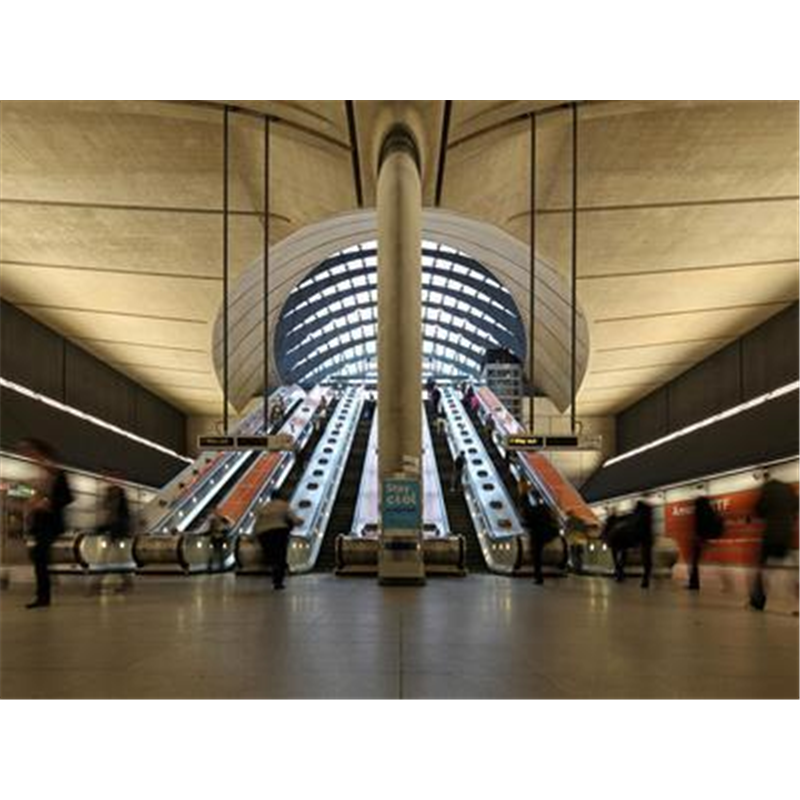 |
Special Interest Morning 23/04/2021 via Zoom: ON THE RIGHT TRACK A morning exploring the brilliance and romance of railways in a two-part journey: 1. Great Railway Stations of the World 2. Underground Cathedrals - the London Underground Established Arts Society lecturer Ian Swankie will present this via a Zoom Webinar. A Londoner with a passion for art and architecture, Ian is an official guide at Tate Modern, Tate Britain, Guildhall Art Gallery and St Paul’s Cathedral, and gives tours around each venue. He is also a qualified and active freelance London guide and leads regular tours for various corporations and organisations. Since 2012 he has led a popular weekly independent art lecture group in his home town of Richmond in West London. He is a Freeman of the Worshipful Company of Art Scholars, one of the City livery companies. The timetable is: 10am to 11.10 first lecture plus questions 11.10 to 11.40 coffee break 11.40 to 13.00 second lecture plus questions Cost per device: £10 You will be e-mailed the Zoom links once your application form and payment has been received. Great Railway Stations – evoking the spirit of romance and adventure If you think of St Pancras International or New York Grand Central you imagine long romantic journeys. You know they are special places promising excitement and adventure. But there are dozens of other glorious stations in the UK and abroad. We will take a journey around some of the most evocative and splendid stations in the world. We will look not only at the magnificence of the architecture and the brilliant engineering but will discover numerous artworks within the stations and examine many depictions of stations in art – like Claude Monet’s Gare St Lazare or William Powell Frith’s Paddington. It may sound a bit anoraky, but it’s definitely not. It’s lavish, colourful and fun. Underground cathedrals – world-class art, architecture and design of London underground The world’s first underground railway has a unique heritage of architecture, ingenious design, powerful advertising posters and unique calligraphy. This talk plots the early development of the Underground, examines the legacy of Frank Pick and Charles Holden, looks at some of the iconic posters, and celebrates the award-winning architecture of the modern Tube in the Jubilee Line Extension. We’ll also take a peek at a few of the new Elizabeth Line (Crossrail) stations, designed by some of the world’s top architects. You will be able to access the meeting from 9.45am You will be e-mailed the Zoom links once your application form and payment has been received. Please pay by either: Online banking to: TASR Account No. 00060307, Sort code 40 52 40, adding Reference RAIL plus your surname and then email your application form to Diane Hynd at hynddi@gmail.com or post it to Diane at 6 Ridgeway, Rickmansworth, Herts WD3 7NS. Cheque: Made out in black ink payable to “TASR” and post with your application form to our Treasurer, Jeff Baker ‘Hedgerow’, Dimmocks Lane, Sarratt , Herts WD3 6AR It would be helpful if you could email or ring Diane to let her know you are paying this way, please do not send cheques to her. ON THE RIGHT TRACK 23 APRIL 2021 APPLICATION FORM Name …………………………………………………………............ Telephone Number …………………………………………………………………….. Email …….……………………………………………………………….. Any queries, please contact: Diane Hynd hynddi@gmail.com 07759 733757 |
| Friday, 19 March 2021 |
| AREA STUDY MORNING ZOOM
17th Century Dutch Art Lecture and a virtual tour of the Mauritshuis |
| Jane Choy-Thurlow |
 |
BEDS AND HERTS AREA MORNING OF SPECIAL INTEREST 10.00am start until approx 1.00pm On- Line Lecture: Prized Possessions - Dutch 17th Century Art in National Trust Houses English country houses have traditionally been the home to Dutch Golden Age masters including impressive works by some of the best loved artists. The British have a fondness for collecting Dutch pictures with examples collected by some of the Nation’s most important patrons and displayed in some of Britain’s greatest houses. The National Trust has over 13,000 works of art, of these over 1,000 are Dutch 17th century paintings. Dutch masters such as Rembrandt, Aelbert Cuyp, and Meindert Hobbema were extremely popular with the British nobility and entrepreneurs from the 17th to the 20th century. Some of the most beautiful examples of these artists are to be found in these houses. The talk will include the variety of paintings to be found, the artists who painted them and how they came to be in these houses. Virtual Tour: Mauritshuis, The Hague, The Netherlands The Mauritshuis is one of the most beautiful 17th century monuments in Holland and has been the home of the Royal Cabinet of Paintings for nearly 200 years. The collection of 17th century Dutch paintings is considered one of the top four in the world. The fact that this top collection is found in the intimate atmosphere of a residence of the same era known as the Dutch Golden Age makes it very special. And explains why it is often called the smallest of the great museums and the greatest of the small museums. There will be a short break between the two sessions Jane is a resident of the Netherlands and enjoys giving lectures and tours at the Mauritshuis, Prince William V gallery and Huygens Museum Hofwijck in The Hague, The Netherlands. A few of the many exhibits in the Mauritshuis she has been part of are: the legendary Johannes Vermeer exhibit, Rembrandt by Himself and Holbein, Portraitist of the Renaissance. She received her BSc from Salem State University, USA, her Med from Trinity College Dublin and continued art history studies at Leiden University. A former Chairman of Mainland Europe AS area, she is presently a part of the Support Team. In 2018 she was given the honour of Knight in the Order of Oranje Nassau by the Dutch King Willem Alexander of Orange for her knowledge and work in the field of the Arts esp. 15th to 17th century Dutch and Flemish art. Beds and Herts Area morning of special interest APPLICATION FORM Name …………………………………………………………............ Telephone Number …………………………………………………………………….. Email …….……………………………………………………………….. Society ………………………………………………………………………….. Cost per device: £10 You will be e-mailed the Zoom links once your application form and payment has been received. You will be able to access the Webinair from 9.45am The virtual tour will be a Zoom meeting to allow the tour to be interactive and for Jane to take questions as we tour the Mauritshuis. Please pay by either: Online banking to:
The Arts Society - Beds and Herts Area, Account No. 20787825, Sort code 20 74 81, adding Reference DSI21 plus your surname and then email your application form to Gill Gowing at gmgowing@btopenworld.com or by cheque (in black ink) payable to “The Arts Society - Beds and Herts Area” and post with your application form to Gill Gowing at 94 Moor Lane, Rickmansworth, Hertfordshire. WD3 1LQ Any queries, please contact: Gill Gowing on gmgowing@btopenworld.com or 01923 777715 or 07882761471 |
| Friday, 13 March 2020 |
| AREA STUDY DAY - Treasures of the Bauhaus |
| Anthea Streeter |
 |
Beds & Herts Area Day of Special Interest Treasures of the Bauhaus THIS IS NOW SOLD OUT. CONTACT GILL GOWING, DETAILS BELOW, TO GO ON THE WAITING LIST with Anthea Streeter on Friday 13th March 2020 10.00 am for 10.30 am start until approx 3.15 pm at The Abbey Theatre, Westminster Lodge, Holywell Hill, St Albans. AL1 22DL Refreshments and lunch included. A lecture to mark the centenary of the Bauhaus Where did mixer taps and fitted kitchens come from? Angle-poise lamps and strip lighting? The answer is The Bauhaus. This is the story of Germany's most famous design school, bitterly attacked in its day during 1920s, but one which has had a profound effect on modern buildings and their interiors ever since. The first session begins in Weimar with the founding of The Bauhaus in 1919. The aim was to design functional goods, which could be mass-produced, therefore were affordable and available to everyone. To lead the new trend in design, Gropius attracted leading painters from across Europe to teach at the Bauhaus. The second session explains the Bauhaus’s move to the more appropriate industrial city of Dessau in 1925. We examine Gropius’ purpose-built buildings for the school, for himself, and for the masters’ houses. Changes in the school’s curriculum were made at Dessau, as well as a move away from craft-based design towards links with industry and machine production, exemplified by the development of its famous tubular steel furniture. The third session considers the final years of the Bauhaus, under the directorship of the well-known architect Mies van der Rohe and its move to Berlin in 1932. When the Bauhaus closed a year later, many of the teachers and students involved either fled or were exiled by the Nazi regime. We will therefore consider the legacy of the key Bauhaus members after they left the School and how their work has had a major impact on art, architecture and design ever since. Venue: The Abbey Theatre is half a mile south of St Albans city centre, at the foot of Holywell Hill. Follow the A5183 (from either direction) and look out for the brown traffic signs. The Theatre is behind the leisure centre. Parking there is plenty of parking but it is ‘pay and display’. A day ticket currently costs £5.40. Blue Badge Parking: plenty of spaces can be found close to the Theatre. APPLICATION FORM Name(s) …………………………………………………………............ Telephone Number ……………………………………………………………….. Email …….……………………………………………………………….. Society ………………………………………………………………………….. Emergency contact number for day of event ……………………………………………………………. Places are £39 pp to include refreshments on arrival and 2 course lunch. Please advise any dietary requirements Parking: there is plenty of parking but it is ‘pay and display’. A day ticket currently costs £5.40. Blue Badge Parking: plenty of spaces can be found close to the Theatre Please pay by either: Online banking to:
The Arts Society - Beds and Herts Area, Account No. 20787825, Sort code 20 74 81, adding Reference DSI20 plus your surname and then email your application form to Gill Gowing at gmgowing@btopenworld.com or by cheque payable to “The Arts Society - Beds and Herts Area” and post with your application form to Gill Gowing at 94 Moor Lane, Rickmansworth, Hertfordshire. WD3 1LQ The Abbey Theatre is half a mile south of St Albans city centre, at the foot of Holywell Hill. Follow the A5183 (from either direction) and look out for the brown traffic signs. The Theatre is behind the leisure centre. Any queries, please contact: Gill Gowing on gmgowing@btopenworld.com or 01923 777715 or 07882761471 |
| Friday, 17 January 2020 |
| William Blake at Tate Britain |
| Valerie Woodgate |
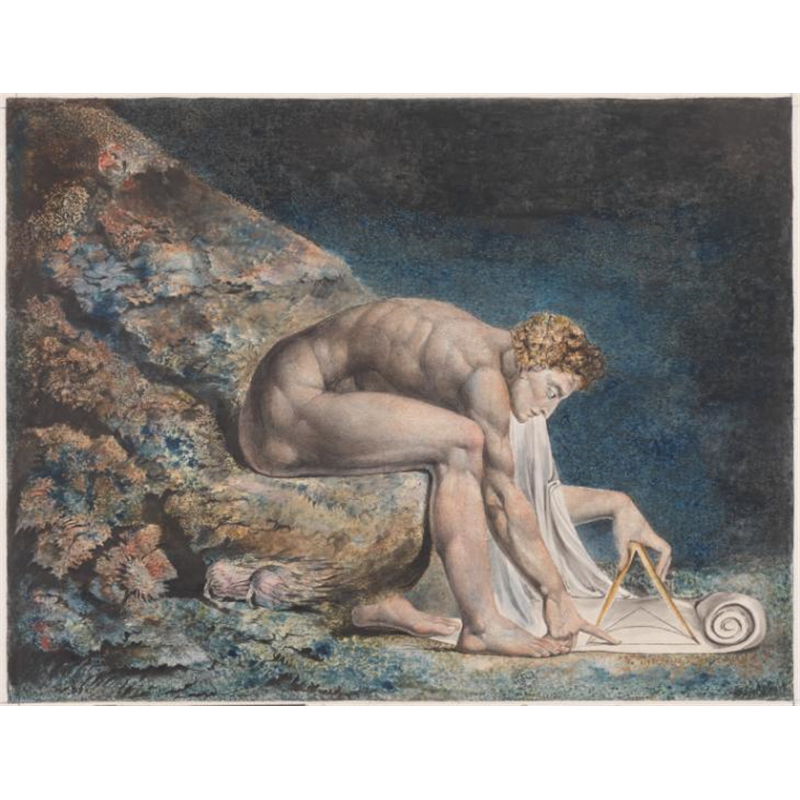 |
William Blake was a painter, printmaker and poet who created some of the most iconic images in British art. Radical and rebellious, he is an inspiration to visual artists, musicians, poets and performers worldwide. His personal struggles in a period of political terror and oppression, his technical innovation, his vision and political commitment, have perhaps never been more pertinent. Inside the exhibition will be an immersive recreation of the small domestic room in which Blake showed his art in 1809. You will be able to experience for yourself the impact these works had when they were shown for the first time. In another room, Blake’s dream of showing his works at enormous scale will be made reality using digital technology. With over 300 original works, including his watercolours, paintings and prints, this is the largest show of Blake’s work for almost 20 years. It will rediscover him as a visual artist for the 21st century. Programme Friday 17th January 2020 Make your own way to Tate Britain, Millbank, London 11.30 One hour introductory lecture by Valerie Woodgate 12.30 or 13.30 Timed tickets to Exhibition No refreshments are included. For lunch or any pre-lecture refreshments the Djanogly Café and the Rex Whistler Restaurant will be open as usual during your visit Cost Adult £29 per person Concession (over 60/ Arts Society Member/Student) £28 per person Adult with Art Fund £21 per person Concession with Art Fund £21.50 per person Tate Member £12 per person Note the visit needs a minimum of 20 people to take place Name(s) ……………………………………………………............ Telephone Number ……………………………………………………………….. Email ……………………………………………………………….. In Case of Emergency Contact Number for 17th January ……………………………… Cost as detailed below for lecture by Valerie Woodgate and timed entry to the exhibition at either 12.30 or 2.30 Please indicate which time you would like to visit the Exhibition 12.30 /13.30 12.30 13.30 Adult £29 per person Concession (over 60/ Arts Society Member/Student) £28 per person Adult with Art Fund £21 per person Concession with Art Fund £21.50 per person Tate Member £12 per person Please circle as appropriate and if booking for more than one person please make it clear which category each person falls into. Please pay by cheque made out in black ink payable to “T AS Rickmansworth’ and post with your application form to Gill Gowing, 94 Moor Lane, Rickmansworth, Hertfordshire. WD3 1LQ Any queries, please contact:- Gill Gowing at gmgowing@btopenworld.com or 01923 777715 or 07882761471 |
| Friday, 15 November 2019 |
| The Sublime to the Ridiculous: Hogarth, Reynolds and Gillray |
| Linda Smith |
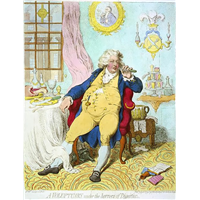 |
The Sublime to the Ridiculous: Hogarth, Reynolds and Gillray Date Friday 15th November 2019 A few spaces left! Start time 10.00 for 10.15 Location Moor Park Mansion Includes refreshments after the first lecture and a buffet lunch - price £39 Linda Smith holds two first-class degrees In Art History. She is an experienced guide and lecturer at Tate Britain, Tate Modern, and the Dulwich Picture Gallery. She also lectures to secondary school audiences and independent arts societies. She was the lecturer at our November 2017 study day, topic: Looking at me Looking at you - Women in Art. Session One: William Hogarth (1697-1764): Hogarth is nowadays mostly remembered as a talented satirist, but there is much more to him than that. He was extremely ambitious in other artistic fields, including portraiture, history painting, and art theory. He was also a tireless self-promoter and entrepreneur, with a real and practical concern for the status of his profession. This talk tracks his career from humble copper-plate engraver to successful painter, showing a wide variety of images which demonstrate his exceptional originality and inventiveness. Above all, however, it is his unparalleled eye for absurdity and human weakness which not only tells us so much about his own times, but gives us food for thought about our own. Session Two: Sir Joshua Reynolds (1723-92) and the Royal Academy: Joshua Reynolds became the Royal Academy’s first President, and was the obvious choice for the job. He had travelled widely in Europe in his youth, worked hard to become the pre-eminent portrait painter of the day, and was comfortable in the drawing-rooms and salons of wealthy and influential people. He was also an extremely efficient businessman and administrator. By looking at his career, and how he adapted European artistic fashions to suit British tastes, this talk reveals a good deal about the world he operated in. Session Three: James Gillray (1757-1815) In the hands of James Gillray, the art of caricature became a highly sophisticated and inventive aspect of the visual culture of his period. The breathtaking audacity and sheer rudeness of his work still has the power to make people laugh out loud. But through his work, we can also get a glimpse of the riotous side of the high society which Reynolds presented so elegantly; and a sense of the cut-throat nature of the political scene at the time. Gillray lived at a time of immense social and political upheaval, dominated by a handful of larger-than-life public personalities, and it is very revealing to see how they were viewed by this master of disrespect. Look at Our Society/Documents for the booking form |
| Friday, 05 April 2019 |
| AREA STUDY DAY - Treasures of the Square Mile |
| Ian Swankie |
 |
Beds & Herts Area Special Interest Day on Friday 5th April 2019 10.00 am for 10.30 am start until approx 3.15 pm at Box Moor Trust Centre, London Road, Hemel Hempstead, HP1 2RE Treasures of the Square Mile An exploration of the heart of the City of London. with Ian Swankie Tickets are £35.00 to include coffee and refreshments on arrival and a delicious 2-course lunch Ian Swankie is a Londoner with a passion for art and architecture. He is an accredited Arts Society lecturer, an official guide at Tate Modern, Tate Britain, Guildhall Art Gallery and St Paul’s Cathedral, and gives tours at each venue. He is also a qualified and active freelance London guide. In three separate sessions Ian will explore the heart of the City of London:- The Medieval Guildhall - a London nerve centre for 2,000 years In the centre of the City of London stands its ancient headquarters, the medieval Guildhall. The present building dates from 1411 and stands on the site of London’s Roman amphitheatre. This session explores the fascinating history of the Guildhall exterior and interior. Romans and Romantics – The Guildhall Art Gallery, one of the country’s real hidden gems The City of London Corporation has been commissioning and acquiring art for nearly 350 years and now owns a vast and diverse collection. This lecture explores the outstanding display of works in the Guildhall Art Gallery. An armchair stroll around the Square Mile Within a short walk of the Guildhall and St Paul’s Cathedral is a treasure trove of wonderful buildings and public art. This talk starts with a look at the institutions that are the backbone of the City of London – including the Bank of England, Lloyds, the Stock Exchange, and the City Livery Companies. Then we will dive into medieval alleyways to explore hidden churches and gardens and finish with a peek at some of the City’s gleaming new skyscrapers. Booking form attached – any queries please contact Gill Burn, Area Chair, at gillburn3@gmail.com or phone 01234 765976 / 07831 675534 |
| Monday, 12 November 2018 |
| Burne-Jones Retrospective at Tate Britain FULLY BOOKED |
| Rosalind Whyte |
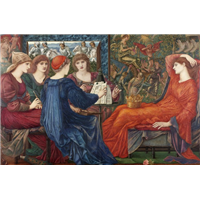 |
Day of Special Interest - Edward Burne-Jones at Tate Britain on Monday 12th November 2018 comprising a lecture by Rosalind Whyte, entrance to the exhibition and refreshments. The last of the Pre-Raphaelites, Burne-Jones is synonymous with a refined and spiritualised style of beauty. From being an outsider in British art, and spending much of his life in isolation, Burne-Jones(1833–1898) became a key figure in the art world at the end of the 19th century and a pioneer of the symbolist movement. He challenged society by disengaging his art from the modern world, offering a parallel universe based on myth, legend and the Bible. Working in a wide range of materials, he pioneered a radical new approach to narrative in works created for both public and intimate settings. This exhibition is London’s first major retrospective of the artist's work for over 40 years, and showcases 150 works in different media, including painting, stained glass and tapestry, all of which foreground Burne-Jones's belief in the redemptive power of art. Programme Monday 12th November Make your own way to Tate Britain, Millbank, London 11.00 Refreshments on arrival 11.30 One hour introductory lecture by Rosalind Whyte 12.30 Buffet lunch 13.30 Timed tickets to Exhibition Cost Adult £41 per person Concession (over 60/ Arts Society Member/Student) £40 per person Adult with Art Fund £33.60 per person Concession with Art Fund £33.10 per person Tate Member £24.60 per person To book complete slip below and return with cheque payable to TASR to Gill Gowing 94 Moor Lane, Rickmansworth WD31LQ - acknowledgement will be sent by e-mail or enclose a SAE Burne-Jones Day of Special Interest Monday 12th November 2018 Name: Type of ticket: adult / concession/ adult Art Fund / concession Art Fund / Tate member (please circle) Mobile contact number: e-mail address: In Case of Emergency contact number: |
| Friday, 02 November 2018 |
| Art Nouveau Architecture and Design - Anthea Streeter FULLY BOOKED |
| Anthea Streeter |
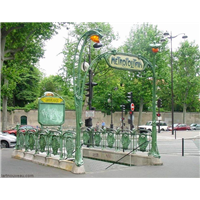 |
Art Nouveau Architecture and Design – Anthea Streeter Study Day at Moor Park Golf Club FULLY BOOKED Art Nouveau was the first attempt to create an international modern style. It had its fullest flowering on the European Continent during the 1890s. At this time progressive architects and designers renounced the tired formulae of historicism in favour of a ‘New Art’. The first lecture begins with examples of Art Nouveau set alongside pieces from the following Art Deco period, so that a clear distinction can be made between the two styles. We will then look at how the English designers such as William Morris, Charles Voysey and Aubrey Beardsley were the first to break with the past. Influenced by nature, and the clarity and simplicity of Japanese artefacts, their work pointed a new way forward. We then consider how the various countries in continental Europe responded to the New Art, firstly looking at Belgium and France. Hector Guimard’s organic, plant-like forms for the Paris Metro as well as Rene Lalique’s naturalistic jewellery demonstrate the mainstream of Art Nouveau. The famous Paris World Fair of 1900 brings the first lecture to a close. The second lecture takes us to the USA to look at the exquisite glass designs of Louis Comfort Tiffany. The work of his contemporary, the American architect Louis Sullivan, is brought into context before we move to Scandinavia, taking a close look at the prevailing National Romanticism of Finland. Moving down through Central Europe, we finish the morning with Gaudi’s fantastical designs in Barcelona. After lunch we will examine quite a different manifestation of Art Nouveau. This comes in the rectilinear forms of Charles Rennie Mackintosh in Scotland and his Austrian contemporaries, Olbrich and Hoffman in Vienna, closing with the Palais Stoclet, the Wiener Werkstatte’s design masterpiece. Anthea Studied the Fine and Decorative Arts in London and continued her studies at Harvard University. It was while at Harvard, where there was great enthusiasm for American design, that she became interested herself in 20th century architecture. Since returning from America she has taught on courses in Oxford and London, lectured on the Country House course in Sussex, and for several private groups around the country. Special interest in the architecture and design of 20th century. Booking form in Our Society/Documents tab |
| Tuesday, 27 March 2018 |
| AREA STUDY DAY - Three Baltic Capitals: Vilnius, Riga and Tallinn – Professor Anne Anderson |
|
 |
Beds & Herts Area Study Day Three Baltic Capitals: Vilnius, Riga and Tallinn – Professor Anne Anderson Date: Tuesday 27 March 2018 Time: 10.00 for 10.30 – 3.30 Venue: Potten End Village Hall, Potten End HP4 2RH Cost: £35.00 (includes coffee on arrival and light lunch)
This study day is intended to provide a glimpse of the rich cultural heritage of these three distinctive Baltic capitals, Vilnius (Lithuania), Riga (Latvia) and Tallinn (Estonia). Of the three, the distinctly Catholic Vilnius is the least commercial in terms of tourism, whereas Tallinn is currently enjoying the tourist boom brought about by cruising in the Baltic. Vilnius is a Baroque city, with magnificent churches and monasteries dating to the 17th -early 18th centuries but you will also find remarkable Gothic and Renaissance buildings. Many visit the famous Hill of Crosses, on the border with Latvia, a symbol of resistance during the Soviet occupation. In contrast Riga, the ‘Little Paris of the North’, has the trappings of a European capital, with its boulevards and Opera House. Here the interest shifts to fantastical Art Nouveau apartment blocks. The rebuilding of the Blackheads Guild building, destroyed in the Second World War, demonstrates Riga’s desire to reclaim its cultural inheritance. Tallinn is perhaps the prettiest of the three capitals with its romantic fortifications. From Tall Hermann to Fat Margaret the towers dominate the skyline of the city. These towers protect one of the finest medieval European towns, with its web of winding cobblestone streets and charming merchant’s houses from the 11th to the 15th centuries. Here the power of Russia is visible in the Alexander Nevsky Cathedral which dominates the upper town and the palace built by Peter the Great. Please contact Jane Morgan, ace@idnet.com for a place. |
| Tuesday, 27 February 2018 |
| AREA STUDY DAY -Lawrence of Arabia: Tortured Hero of Troubled Times
Dr Neil Faulkner |
|
 |
The Arts Society – Beds & Herts Area Area Visits and Study Days Please contact Jane Morgan to book: ace@idnet.com Cheques payable to The Arts Society – Beds & Herts Area Area Study Day Lawrence of Arabia: Tortured Hero of Troubled Times – Dr Neil Faulkner PLEASE NOTE DR FAULKNER WILL ALSO BE GIVING A LECTURE ON LAWRENCE AT SARATT ON 13 MARCH 2018 Date: Tuesday 27 February 2018 Time: 10.00 for 10.30 – 3.30 Venue: Potten End Village Hall, 10 Common Gardens, Potten End HP4 2RH Cost: £35.00 (includes coffee on arrival and light lunch) On the basis of sensational new evidence from archaeological fieldwork, Neil Faulkner will contrast the legend of Lawrence of Arabia with the true story of what happened in the famous desert war of 1916 to 1918. Is the legend a myth? Was Lawrence, as some claim, a liar and a charlatan? Or does the legend reflect reality? Was he, in fact, a brilliant military commander and a sincere advocate of the Arab national cause? Dr Neil Faulkner works as a lecturer. writer, archaeologist and occasional broadcaster. His latest book is Lawrence of Arabia’s War. Please contact Jane Morgan, ace@idnet.com for a place. |
| Friday, 24 November 2017 |
| Looking at Me Looking at You; the representation of Women in Western Art |
| Linda Smith |
 |
SPECIAL INTEREST DAY The day will be held in the Fairway Inn Rickmansworth Time - 10AM - 3PM Linda Smith holds two first-class degrees In Art History. She is an experienced guide and lecturer at Tate Britain, Tate Modern, and the Dulwich Picture Gallery. She also lectures to secondary school audiences and independent arts societies. Look at Our Society/Documents for the booking form, £35 including refreshments and lunch Three lectures - synopsis below A study day, on how women have been represented in western art since ancient times. It presents a wide range of images of women, asking what the functions of such pictures were in their own times, and how we might read them today. In the process, many nuances and meanings are revealed, and changing attitudes to women, beauty and morality, are addressed. The theme of visual representation runs alongside a parallel theme which looks at the long history of how women have struggled for political representation, and what that has meant for their roles as subjects, and makers, of art. The day will be great for both men and women! Session One: LOOKING BACK – From Antiquity to Renaissance Session One examines the development of European artistic conventions, starting with some important images from the ancient world, before moving on to medieval Christian Europe, a period which saw the Biblical figures of Eve and the Virgin Mary profoundly shape attitudes towards women and their representation in art, but which also saw the rise of the more secular cult of courtly love. From there the discussion moves on to Italian Renaissance portraiture, the rise of classicism and the return of the female nude to art. The roles and importance of women as patrons of art, and as artists themselves is also introduced in this first session, plus the theme of women as subversives, trying to challenge convention. Session Two: LOOKING THE PART – Some Women in British Art c.1550-c.1900 The second talk narrows the focus down to British art, looking at the influence of those European conventions around images of women, and their adaptation to specifically British traditions in art and society. Various factors are considered, including sumptuary laws, propriety, beauty regimes, and changing attitudes towards eroticism and sexual behaviour. A wide range of women is covered: from all-powerful monarchs down to the ubiquitous Fallen Women of the Victorian era. It moves on to pick up on the themes of women as artists and activists by looking at the rise of the Women’s Movement and the implications such things as the Cult of Beauty and the Rational Dress Movement had for the representation of women in art. Session Three: WHO ARE YOU LOOKING AT? – Twentieth Century Art and Feminism The final talk starts by examining some late nineteenth-century images of women to show some of the ways in which the early avant-garde challenged and subverted European traditions in art, and discusses the parallel rise of the cult of Bohemia and what that meant for women trying to succeed as artists. This provides background for a look at the difficulties women had making their voices heard in the 1950s, and moves on to explain the confrontational strategies employed by feminist artists in the 1970s, comparing them with the more nuanced attitudes of more recent feminist art Looking At Me Looking At You – Some Books Sarah B Pomeroy – Goddesses, Whores, Wives and Slaves: Women in Classical Antiquity 1975 Margaret Schaus (Ed) – Women and Gender in Medieval Europe: an Encyclopedia 2006 Paola Tinagli – Women in Italian Renaissance Art 1997 Catherine MacLeod and Julia Marciari Alexander (Eds) – Painted Ladies: Women at the Court of Charles II 2001 Karen Hearn – Van Dyck in Britain (Tate catalogue) 2009 Michael Rosenthal and Martin Myrone (Eds) – Gainsborough (Tate catalogue) 2002 Alison Smith (Ed) – Exposed: The Victorian Nude (Tate catalogue) 2001 Martin Postle and William Vaughan – The Artist’s Model: From Etty to Spencer 1999 Whitney Chadwick – Women, Art and Society (2nd edition) 1996 Lynda Nead – The Female Nude: Art, Obscenity and Sexuality 1992 Rosemary Betterton (Ed) – Looking on: Images of Femininity in the Visual Arts 1987 N Broude/M D Garrard (Eds) – Feminism and Art History: Questioning the Litany 1982 Germaine Greer – The Obstacle Race 1979 Lynda Nead – Myths of Sexuality: The Representation of Women in Victorian Britain 1988 Linda Nochlin – Politics of Vision 1989 Rozika Parker – The Subversive Stitch 1984 Rozsika Parker/Griselda Pollock – Old Mistresses 1981 Griselda Pollock – Vision and Difference: Feminism, Femininity and the Histories of Art 1988 Helena Reckitt/Peggy Phelan (Eds) – Art and Feminism 2001 Articles and Extracts: Laura Mulvey – Fears, Fantasies and the Male Unconscious, or: You Don’t Know What’s Happening, Do You, Mr Jones?, from Spare Rib 1973 Linda Nochlin – Why Have There Been No Great Women Artists? From ArtNews 1971 |
Click here for future events
| 22 April 2026 | Beds & Herts Area Day of Special Interest
‘Three Stars of the Dutch Golden Age: Rembrandt, Vermeer and Steen’
|
| 07 November 2025 | Family Affair: Florence and the Medicis |
| 01 November 2024 | TASR Day of Special Interest - Food for Thought (Spanish, Dutch & Modern Still Life Painting) |
| 03 November 2023 | TASR Day of Special Interest
The Artist as Reporter including Paul Nash, John Singer Sargent and Stanley Spencer |
| 05 April 2023 | Moor Park Day of Special Interest - Art as Rehabilitation, Remembrance and Reform |
| 24 February 2023 | Beds & Herts Area
Day of Special Interest
‘New York, New York: a time-travel virtual tour’
at The Abbey Theatre, St Albans
|
| 04 November 2022 | TASR DAY OF SPECIAL INTEREST
The Royal Art Collection of Queen Elizabeth II |
| 10 June 2022 | AREA DAY OF SPECIAL INTEREST Dream Days, The Golden Age of Book Illustration |
| 29 April 2022 | AREA DAY OF SPECIAL INTEREST The Extraordinary Life and Times of Gian Lorenzo Bernini |
| 04 March 2022 | AREA DAY OF SPECIAL INTEREST
Why Paris? The City of Light 1900 -1945
|
| 19 November 2021 | The Art Deco Style |
| 05 November 2021 | AREA MORNING OF SPECIAL INTEREST VIA ZOOM
Fashion, Fury and Feminism |
| 23 April 2021 | On the Right Track
Great Railway Stations of the World and London Underground 'Cathedrals' |
| 19 March 2021 | AREA STUDY MORNING ZOOM
17th Century Dutch Art Lecture and a virtual tour of the Mauritshuis |
| 13 March 2020 | AREA STUDY DAY - Treasures of the Bauhaus |
| 17 January 2020 | William Blake at Tate Britain |
| 15 November 2019 | The Sublime to the Ridiculous: Hogarth, Reynolds and Gillray |
| 05 April 2019 | AREA STUDY DAY - Treasures of the Square Mile |
| 12 November 2018 | Burne-Jones Retrospective at Tate Britain FULLY BOOKED |
| 02 November 2018 | Art Nouveau Architecture and Design - Anthea Streeter FULLY BOOKED |
| 27 March 2018 | AREA STUDY DAY - Three Baltic Capitals: Vilnius, Riga and Tallinn – Professor Anne Anderson |
| 27 February 2018 | AREA STUDY DAY -Lawrence of Arabia: Tortured Hero of Troubled Times
Dr Neil Faulkner |
| 24 November 2017 | Looking at Me Looking at You; the representation of Women in Western Art |
Click on a row and scroll to display more details about the event
Beds & Herts Area Day of Special Interest
‘Three Stars of the Dutch Golden Age: Rembrandt, Vermeer and Steen’
Jane Choy-Thurlow
Wednesday 22 April 2026
Beds & Herts Area are holding a Day of Special Interest on Wednesday 22nd April 2026 10.00 am for 10.15 am start until approx 3.15 pm at the Abbey Theatre, Holywell Hill, St Albans Entitled - ‘Three Stars of the Dutch Golden Age: Rembrandt, Vermeer and Steen’ Click here for booking form or go to Documents secction of the website Please complete the application form or send the information requeted on the form to Gill Gowing - email gmgowing@btopenworld
| | | | | | | | | | | | | | | | | | | | | | |